
Nieletni w pedagogii Stanisława Jedlewskiego
Refleksje (nie)domknięte
Pages: 402
Book format: 15,8 x 23,5 cm
Publication date: 2025
Release date: 24.09.2025
Book description
Delving into the scientific writings of Stanislaw Jedlewski, one can clearly see the richness of his activities in the field of juvenile rehabilitation pedagogy in both theoretical and methodological, practical and linguistic areas. Analyzing his work, one can clearly see the consistency of research proceedings, directed towards change. It concerns the positioning of the scientist and researcher in the area of cognitive and research interests, the empowerment of minors both in the space of scientific reflection and the recommendations proposed on the basis of the conclusions derived from the research and changes in the system of rehabilitation. What deserves special attention is his way of describing the functioning of minors and his approach to them. His work can be confidently regarded as a bridge between the “old land” and the “new” in thinking about children who break social and legal norms. Following the course of the argument, one can witness an overall change in the approach to minors. Interestingly, Stanislaw Jedlewski does not introduce the concept of children's rights in any of his works and yet his entire scholarly work is permeated with them. It is characterized by empowerment, recognition of the minor with his tragic personal, family and peer situation, empathy and openness to giving a chance. The approach to the juvenile, derived from the scholarly work of Stanislaw Jedlewski, I called in my study the turn of recognition. This turn entailed, in turn, a paradigmatic shift toward humanism and placing the juvenile at the center of consideration not, as before, as a thug and criminal, but as a child growing up in trauma and violence and needing not so much punishment and discipline as conditions for dignified and safe development, wise adults in relationship and creative stimulation in planning for the future. The consequences of the turn of recognition can be seen in the approach to juveniles and rehabilitation pedagogy to this day. This is because it must be remembered that re-socialization pedagogy is not a sub-discipline based on legislation and jurisdiction, but on the notion of upbringing and socialization and the naturally derived concepts of re-socialization, re-education and social readaptation. The analysis of Stanislaw Jedlewski's scientific legacy unequivocally confirms this thesis, which is sealed by Leslaw Pytka's commentary on his Professor's work, saying that he created a humanistic system in re-socialization pedagogy, having previously implemented his ideas based on thoughtful pedagogy in Krzeszowice (from the introduction).
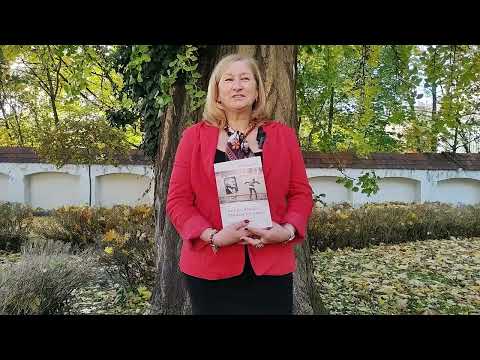
Małgorzata Michel invites you to read her book "Nieletni w pedagogii Stanisława Jedlewskiego" (in polish)
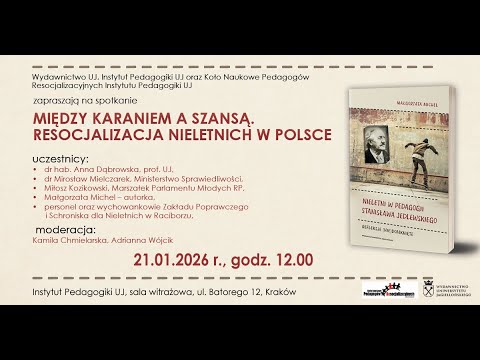
Meeting Spotkanie "Między karaniem a szansą. Resocjalizacja nieletnich w Polsce" (in polish)
Language
Polish
Title in English
Juveniles in Stanislaw Jedlewski’s pedagogy. Reflections (not) closed
Edition
first
Authors
Małgorzata Michel

Cover design
Marta Jaszczuk
ISBN: 978-83-233-5532-8
e-ISBN (pdf): 978-83-233-7697-2
Country of producer: Poland
We also recommend

RECOMMENDED BOOKS

NEW BOOKS







Przegląd Kulturoznawczy 2026 Numer 1 (67) Ostoje. Przestrzenie i praktyki zamieszkiwania, chronienia się i ucieczki
( Paperback )
12.96
zł
10.37
zł

63.00
zł
50.40
zł


Choose chapters to buy:
Order value:
0.00 zł
